
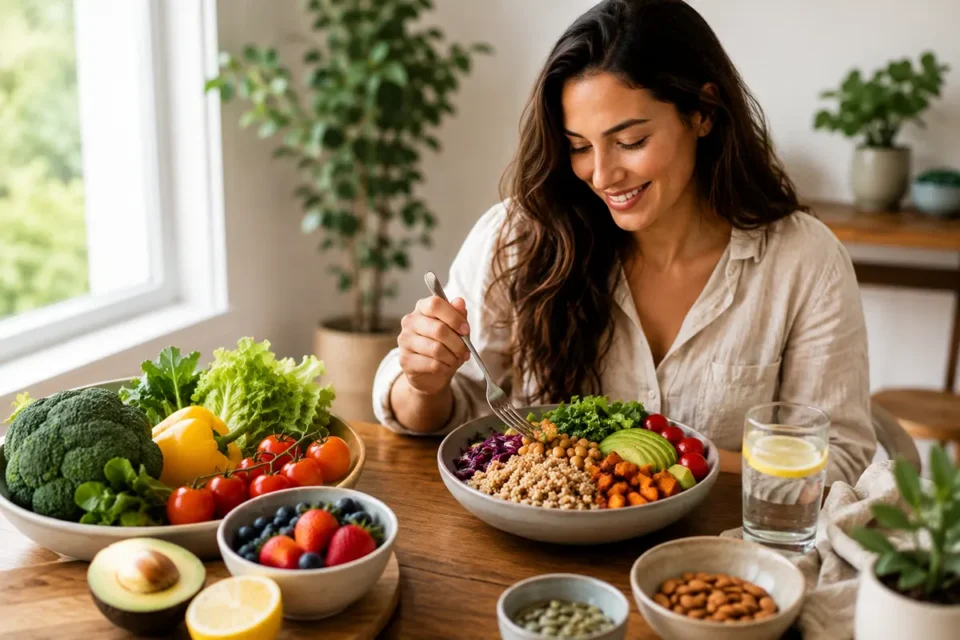
Fad diets come and go, promising quick fixes and dramatic results. But the truth is, most fad diets are not sustainable in the long term. They often restrict certain food groups, leading to feelings of deprivation and ultimately setting you up for failure. Building a sustainable relationship with food is key to achieving long-lasting health and wellness.
Introduction
In today’s fast-paced world, it’s easy to fall into the trap of fad diets that promise quick results but often leave us feeling deprived and unsatisfied. However, building a sustainable relationship with food is not only essential for our physical health but also for our mental well-being. In this blog post, we will explore the importance of moving beyond fad diets and embracing a more holistic approach to nutrition that nourishes both our bodies and minds.
Understanding Fad Diets
Fad diets are characterized by their extreme restrictions, promises of rapid weight loss, and often lack of scientific evidence to support their claims. These diets typically focus on cutting out entire food groups or severely limiting calorie intake, which can lead to nutrient deficiencies and metabolic imbalances. While fad diets may result in short-term weight loss, they are rarely sustainable in the long run and can have negative consequences on our overall health.
The Pitfalls of Fad Diets
One of the main pitfalls of fad diets is their emphasis on quick fixes rather than long-term lifestyle changes. This can create a cycle of yo-yo dieting, where individuals lose weight only to regain it once they resume their normal eating habits. Additionally, fad diets can promote a disordered relationship with food, leading to feelings of guilt, shame, and obsession around eating. It’s important to recognize these dangers and shift our focus towards building a healthier and more sustainable approach to nutrition.
Embracing Mindful Eating
Mindful eating is a practice that encourages us to be present and aware of our food choices, hunger cues, and eating habits. By tuning into our body’s signals and honoring our cravings in a balanced way, we can develop a more intuitive relationship with food. Mindful eating also involves savoring each bite, chewing slowly, and appreciating the nourishment that food provides. This approach can help us break free from restrictive dieting patterns and cultivate a more positive and sustainable relationship with food.
Balancing Nutritional Needs
Instead of focusing on what foods to eliminate, it’s important to shift our mindset towards nourishing our bodies with a balanced and varied diet. This means including a wide range of nutrients from fruits, vegetables, whole grains, lean proteins, and healthy fats. By prioritizing whole, unprocessed foods and listening to our body’s hunger and fullness cues, we can support our overall health and well-being. Remember, it’s not about perfection but progress towards creating a sustainable and enjoyable way of eating.
Building Healthy Habits
Building healthy habits around food involves more than just what we eat. It also includes how we plan our meals, cook our food, and engage with others around eating. Meal prepping can help us make healthier choices throughout the week, while cooking at home allows us to control the ingredients in our meals. Eating with others can foster connection and social support, making mealtime a positive and enjoyable experience. By incorporating these habits into our daily routine, we can establish a sustainable relationship with food that nourishes both our bodies and souls.
Seeking Professional Guidance
If you’re struggling to break free from fad diets or develop a healthier relationship with food, seeking support from a registered dietician or nutritionist can be beneficial. These professionals can provide personalized guidance, meal planning tips, and strategies for overcoming emotional eating patterns. They can also help you set realistic goals, track your progress, and make adjustments as needed. Remember, it’s okay to ask for help on your journey towards building a sustainable relationship with food.
Practicing Self-Compassion
On the path to building a sustainable relationship with food, it’s important to practice self-compassion and kindness towards yourself. Be gentle with yourself as you navigate the ups and downs of changing your eating habits. Celebrate your successes, no matter how small, and learn from your setbacks without judgment. Remember that building a healthy relationship with food is a journey, not a destination, and it’s okay to take it one step at a time.
Ultimately, building a sustainable relationship with food is about finding balance, listening to your body, and making choices that support your overall health and well-being. Remember that there is no one-size-fits-all approach to eating, so it’s important to find what works best for you and your unique needs. By focusing on nourishing your body, enjoying your meals, and practicing self-care, you can develop a healthy relationship with food that lasts a lifetime.
How To
Are you tired of hopping from one fad diet to the next, only to end up feeling frustrated and defeated? It’s time to shift your mindset and focus on building a sustainable relationship with food. By making small, achievable changes and practicing mindful eating, you can develop a healthy and lasting approach to nourishing your body. Here are some steps to guide you on your journey towards a more sustainable relationship with food:
- Shift Your Mindset
Rather than viewing food as the enemy or something to be restricted, start seeing it as fuel for your body and a source of enjoyment. By shifting your mindset and developing a positive relationship with food, you can make healthier choices without feeling deprived.
- Practice Mindful Eating
Mindful eating involves paying attention to your body’s hunger cues, eating slowly, and savoring each bite. By practicing mindful eating, you can become more in tune with your body’s needs and make more conscious choices about what and how much you eat.
- Focus on Whole, Nutrient-Dense Foods
Instead of fixating on calorie counting or restricting certain food groups, focus on incorporating whole, nutrient-dense foods into your diet. These foods are packed with essential vitamins and minerals that will nourish your body and support your overall health.
- Cook at Home
Cooking at home allows you to have more control over what goes into your meals and gives you the opportunity to experiment with different flavors and ingredients. By preparing your own meals, you can better appreciate the time and effort that goes into nourishing your body.
- Listen to Your Body
Pay attention to how different foods make you feel and adjust your diet accordingly. If certain foods leave you feeling sluggish or bloated, consider cutting back on them or finding healthier alternatives. Trusting your body’s signals can help you create a more sustainable and personalized approach to eating.
- Seek Support and Guidance
Building a sustainable relationship with food is a journey that may require support and guidance. Consider working with a registered dietitian or nutritionist who can provide personalized recommendations and help you create a balanced and fulfilling eating plan. Additionally, joining a supportive community or seeking out online resources can help you stay motivated and inspired on your journey towards better health.
Conclusion
With these steps in mind, you can move beyond fad diets and start building a sustainable relationship with food that nourishes both your body and soul. By making mindful choices, listening to your body, and seeking support when needed, you can create a healthier and more fulfilling approach to eating that will serve you well for years to come.